

I’ve spent more than 50 years fighting cannabis prohibition in the United States. Now I’m taking what I’ve learned to India.
In 1961, 13 years after its independence, India was forced by the U.S. to sign the Single Convention on Narcotic Drugs, which included cannabis, or in India, ganja. However, as far as cannabis was concerned, there were some problems.
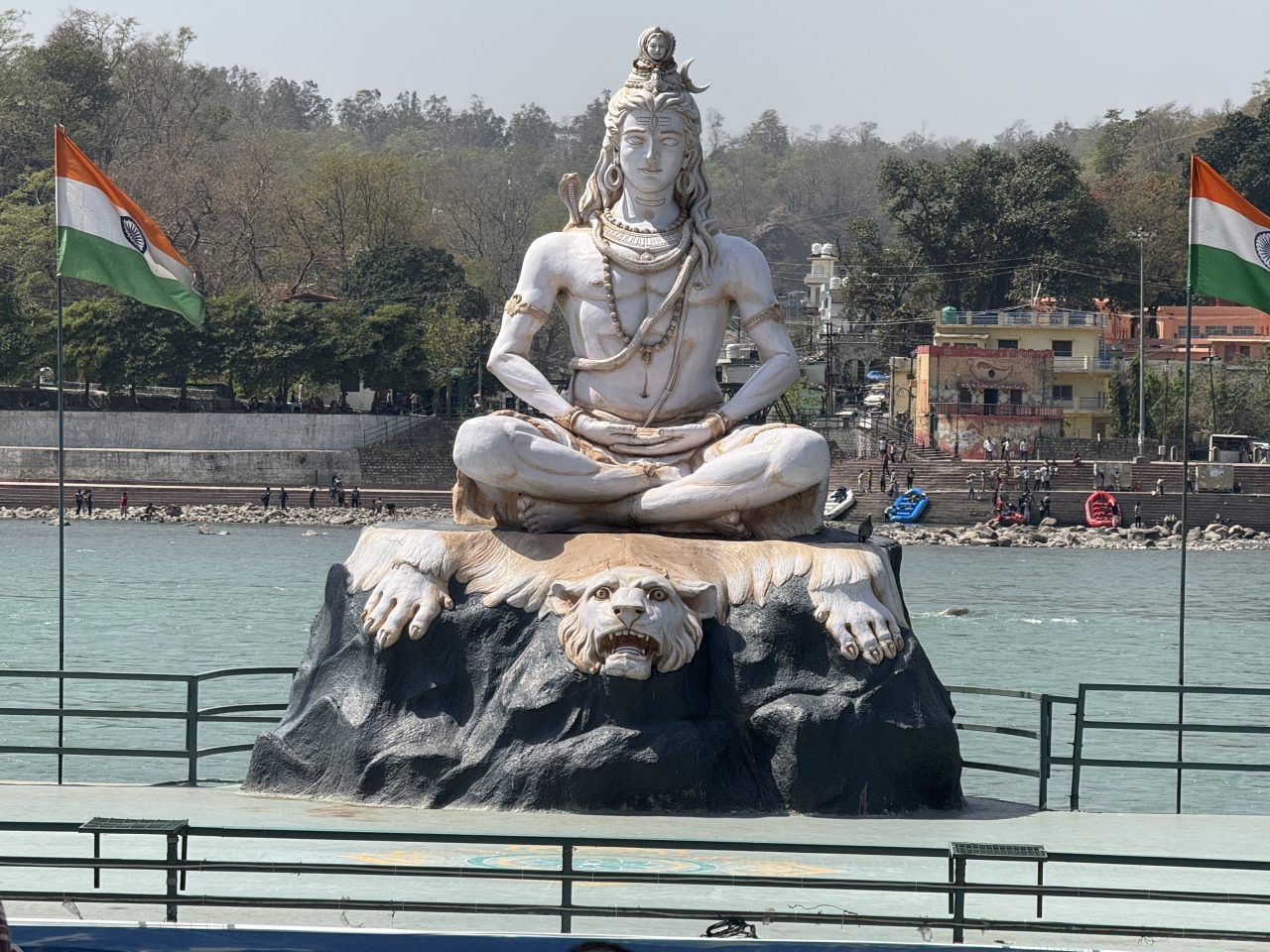
A little background. India is one of the most religious countries I have ever visited. Although its population includes one of the world’s largest Muslim populations, around 200 million, most Indians are Hindus. Simplifying the Hindu religion, there are three main gods that are worshipped. The beloved god Shiva uses cannabis in the form of bhang, a drink made by concentrating leaves. On holy days honoring him, people who are generally non-users partake in bhang, a concoction made by boiling a concentration of marijuana. At many times, many people all over the country use cannabis as either bud or charas, a hand-rubbed hash. Only now it’s illegal.
The government signed the UN treaty with a caveat: it would have 25 years to clean up its act, so ganja would become illegal in 1986, years after the present government would become history. Perhaps they thought that the world would also come to its senses and reverse the treaty. It was criminalized in 1986.
I’ve gone back to India periodically, but the situation regarding cannabis has gotten worse.
Also read: Ed Rosenthal: Nepal’s Cannabis Laws Are ‘an Insult to Shiva.’ Nixon’s War on Drugs Forced Them.
In 2025, I published a small photo book of my 1980 trip, when I documented a large legal government-regulated harvest. “Ganja in India” is available on my site.
That lit a spark in me. It was legal for thousands of years. It’s a part of their religion. And the people of India are suffering because of a misguided policy thrust on them at U.S. insistence. This just isn’t right. India needs RE-LEGALIZATION.

India didn’t need to be saved from cannabis. It needs to be saved from prohibition.
At the same time, I foresaw another problem facing the nation. It’s speculated that cannabis originated in the Chinese Himalayas, about 1,500 to 2,000 miles from Arunachal Pradesh, the Indian state closest to that point of origin, in the northeast.
The reason I’m bringing this up is because of one of the “laws” of evolution: the closer to the point of origination, the more genetic variation. So there is most likely more genetic variance in landraces and feral cannabis in Arunachal Pradesh than in the varieties popular in the U.S. today. It’s important that the genetics are saved before they become corrupted with western genetics.
Now, I’m not saying that farmers shouldn’t grow western varieties if they wish, just that the genetics are preserved for breeding and research before western varieties spread to the mountains.
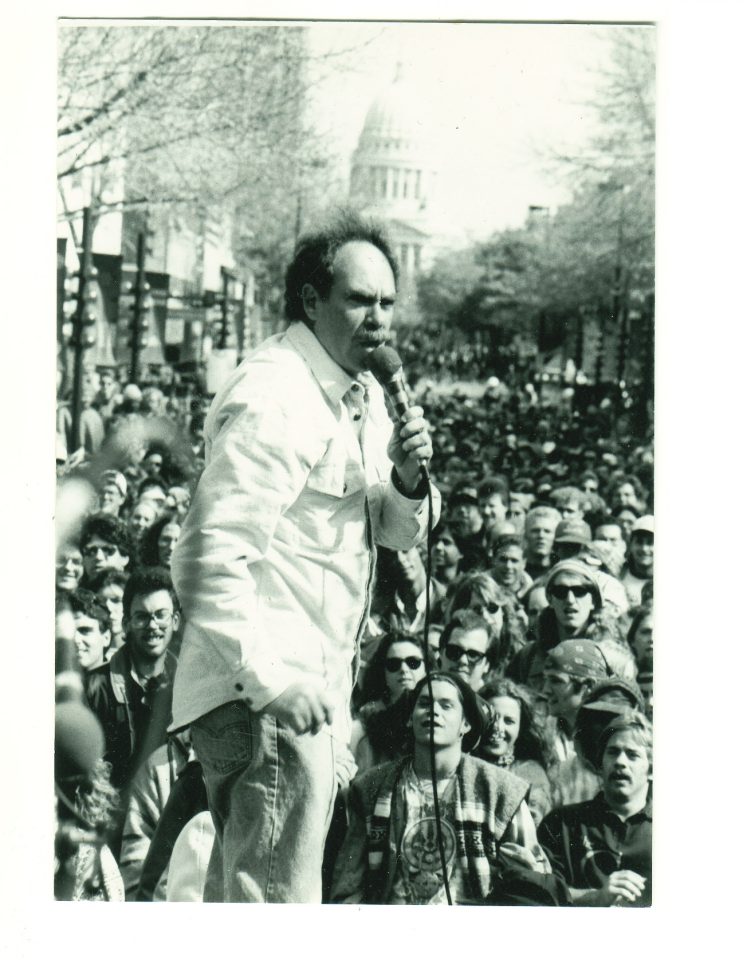
This brings me back to why I’m writing this. As the Vietnam War came to an end, Yippies took more of an interest in legalization and started smoke-ins, conventions, political activism, initiatives and the like. We were the UnNorml. In 1972, only 13% of the U.S. population thought marijuana should be legal. Now we are the majority. California’s landmark 1996 Prop 215 Medical Marijuana Initiative was created by Yippie Dennis Peron, known for opening the world’s first dispensary, helping HIV patients when there were no drugs to help.
Times have changed and the mop-up efforts for full legalization in the U.S. are moving ahead. In truth, I’m not needed here. There are others much better at working out the details. But in India…
So I felt a moral imperative to help there, both in preserving the genetics, which has worldwide importance, as well as to RE-LEGALIZE. It’s a tempting target. India has a population of 1.5 billion people, four times the number in the U.S. You could say that the U.S. was sort of a warm-up. But the struggle to legalize in the U.S. is more than 50 years old. I don’t have that much time, so it must happen faster there.

I see us there as cheerleaders, encouraging activists and their supporters, as well as medical patients and those involved in ancillary businesses, to help change the laws. And it’s beginning to happen, so we’re very encouraged. We’ll keep you apprised of our travels on an irregular but often basis soon after we arrive in India. Our plan is to start by heading to the Himalayas looking for rare genetics.
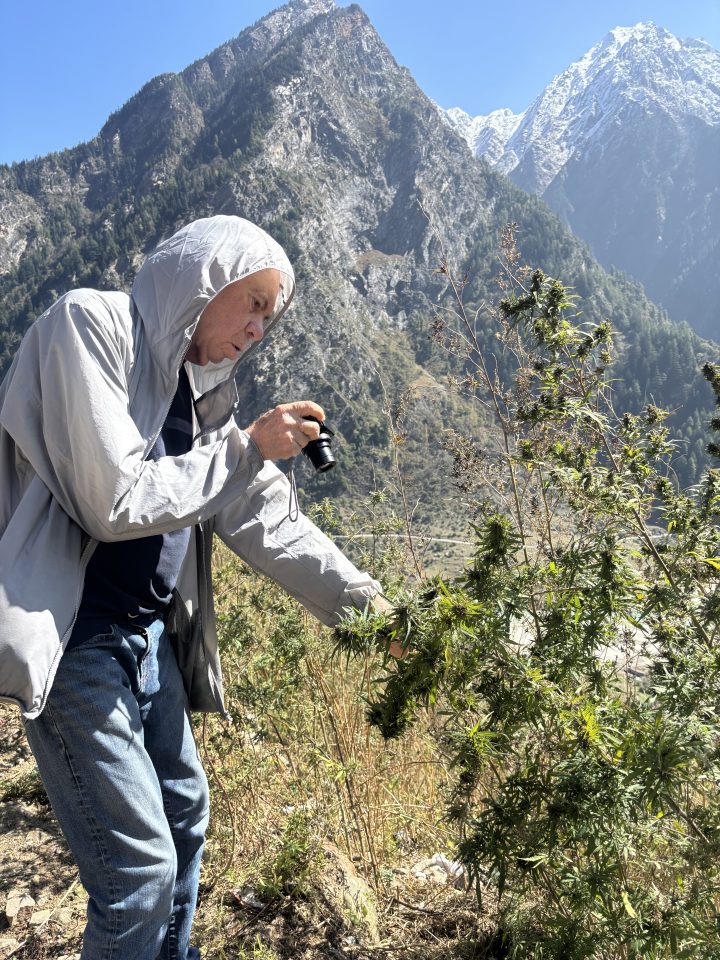
The effort that we are putting into these projects is our thanks for all that cannabis has done for us: an interesting life, contributing to the well-being of others, teaching people how to grow, and a whole lot of fun. For the last few years, we have borne the expense of these projects. Now that we have shown that our program has proven positive impact, we are asking for your help to enlarge its scope and help RE-LEGALIZE India.
Green-Aid.com, The Medical Marijuana Legal Defense and Education Fund, is a 501(c)(3) non-profit corporation that has set up the Re-Legalize India Fund. Contributions will be used for research and education. We, and millions of people in India, appreciate your support. All contributions are tax-deductible.
If cannabis has played a meaningful part in your life, you might consider this. India was the birthplace of cannabis use, forced to outlaw it by the U.S. Let’s help them get past these onerous policies.
Please help Green Aid free the weed in India.
India gave cannabis to the world. Let’s help India take it back.
Ed Rosenthal is a cultivation author and legalization activist. This piece is an opinion column contributed to High Times and includes an appeal for donations to the Re-Legalize India Fund, a project of Green Aid, a 501(c)(3) organization with which the author is involved. High Times received no payment in connection with this article and is not affiliated with Green Aid. The views expressed are the author’s own.
