

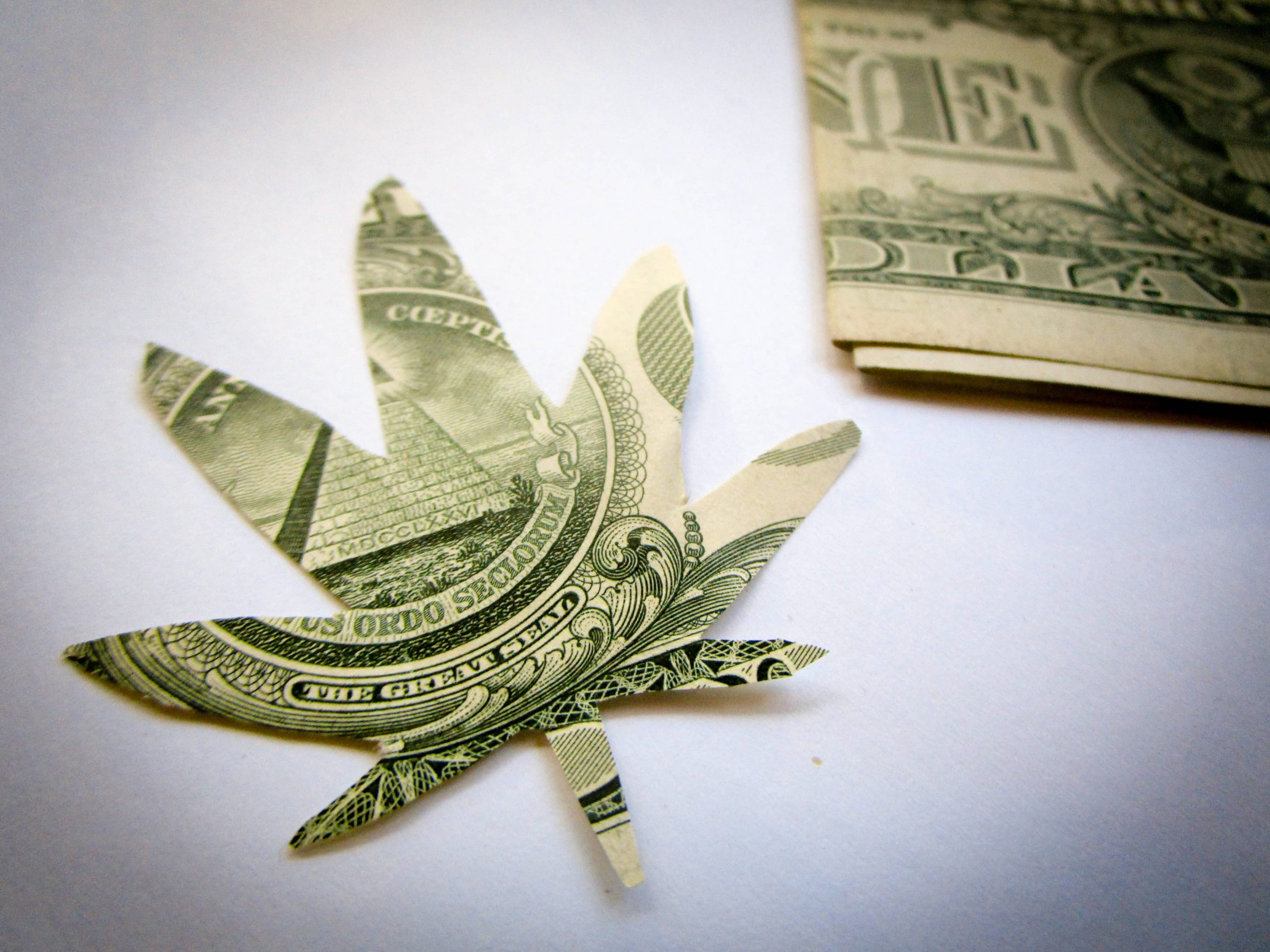
If you’ve ever bought from a licensed dispensary then you likely know that weed is taxed out the ass. The legislative fuckery runs rampant and deep thanks to America’s piecemeal state-by-state rules in lieu of federal legalization. There’s no assurance that the federal government would get taxation right if legalization were to occur. Regardless, the current situation puts everyone over a barrel, from state coffers to brands to, most important, the consumers. The plant and its products are subject to undulating laws, changing at every state line, sometimes municipalities as well. Depending on where you buy, a 30-plus-percent THC potency flower (if you can trust that figure) could run anywhere from sub-$30 an eighth to over $70.
Each state has its own approach to weed taxation, with varying excise taxes applied depending on state regulations. States have opted to tax based on fixed weights and amounts, a percent of the sale price, or both. Pricing-based taxes are the most common.
A hybrid tax model can be found in Maine, where a 10% excise tax is applied to the retail price, with additional surcharges applied to weight and the number of seedlings or seeds. New Jersey is another intriguing model, where it charges anywhere from less than $10 to up to $60 per ounce, depending upon the average retail price of an ounce. The convoluted tax structure also includes a lesser-used excise surcharge: tax based on THC potency.
As of April 2023, three states utilize some form of THC-potency-focused taxes, Connecticut (per milligram), Illinois (wholesale, product, and additional tax on 35%-plus product taxes), and New York (per milligram and retail price).
Support and Opposition
Despite explorations into THC potency taxes by states like California and Washington, only a few, including Illinois and New York, have implemented them, reflecting a divided stance on the issue among policymakers
Polarizing advocacy groups, like Smart Approaches to Marijuana, have backed potency measures, stating that taxes help deter the market from consuming high-potency products. In 2021, SAM figurehead Kevin Sabet claimed that today’s flower isn’t the “Woodstock weed” of old, claiming potency has surged upward and that taxes limit access to such products. In addition to public health concerns, supporters have suggested that potency taxes can improve regulatory precision, increase state revenue, and align with taxes in the alcohol space.
While individuals of that ilk dickride the idea of prolonged plant prohibition, many feel that potency taxes are extensions of ongoing prohibition in addition to being costly to implement, detrimental to the growth of a regulated legal marketplace, and/or overall a bad idea for anyone hoping to see the end of illicit sales and consumption in the United States. Those operating in the industry and its ancillary markets broadly, if not entirely, oppose such measures for several reasons, including:
Lack of Clinical Evidence
Federal prohibition has stifled cannabis research, limiting understanding of its dosage and effects despite decades of anecdotal evidence.
Benedict J. Lubbon, a managing director for Jude Benedict & Associates, feels that claims about dosage need to be further examined before any regulations can be made. Lubbon, the founder of the advocacy group Deschedule NOW, said, “All this talk about potency tax is raised by hype and misinformation from prohibitionists scared this isn’t your grandfather’s weed.”
Profit Struggles
Illinois has seen its market surge in recent years. State and local potency taxes, which can push some product charges up by 40%, have played a significant role. The state doesn’t have plans to change the tax rules, citing market immaturity. Connecticut has seen sales increase month over month since sales began in January 2023. However, tax revenue has not met expectations, with the state generating $9.5 million in sales tax for 2023 pot sales, less than half the expected $20.4 million.
In New York, operators have said that Jason Ambrosino, a military veteran, as well as owner, founder, and CEO of Broadalbin, NY dispensary Veterans Holdings, Inc., feels that high-potency products like tinctures are subject to significant price increases. “We wholesale it for $50 and pay $30 of tax on it, and that is before retail sales tax,” he explained.
“This means that if my wholesale price is $50, then their retail price is going to be $100,” he said, adding, “The problem is that in the case of the tincture I was referencing, $30 of that is literally tax,” said Ambrosino. Wyatt Harms, co-founder of the brand FLAMER, said potency taxes are one of the reasons why New York products are some of the highest in the country.
“When dispensaries buy the product from growers or processors, it includes the potency tax as a part of the price. Then the dispensary doubles the wholesale price to the consumer, which means they double the tax,” Harms said.
Matt ‘Fuzz’ Faughnan, owner of Ossining, New York-based service firm Fuzzy Around The Edges, said the taxes are starting to affect business decisions. During a recent discussion over a three-ounce product, Faughnan claimed, “The bud we used tested at, like, 26%, and we had it priced aggressively, but half of the wholesale price ended up being THC tax, which killed any profitability.” He reported having a similar conversation with a grower, urging the cultivator to increase their prices or risk losing significant sums on products.
Promotes Illicit Sales
Taxes cut significantly into store profits while driving up the final sale price. No matter how much a state wants to claim that legal, lab-tested weed sold at a higher price will sway legacy buyers, the evidence suggests that isn’t the case–particularly not in states like New York, where a deeply rooted history of legacy sales converges with heavy buying activity. Leah Heise, CEO of Maryland-based firm Gemini Twin Consulting, feels potency taxes create a “chilling effect” on market growth while driving consumers away. “The illicit market is the biggest competitor to the legal market, and we are currently losing that fight due to overregulation and egregious taxation,” said Heise.
Ambrosino offered a similar take, claiming potency taxes make it impossible for licensed sellers to compete with rampant unlicensed sales. “If potency taxes were removed completely, the cannabis industry, particularly in New York State, would immediately become competitive with 70% of the black market sales,” he predicted.
The 2019 report by the Washington State Liquor and Cannabis Board reached similar conclusions. “Some work group members from the public health community were in favor of a tax structure that would discourage consumption of high potency cannabis, but did not have confidence that this tax would guarantee those outcomes,” the report concluded, adding that a model could work for states when first implementing laws. However, the cost of creating the tax infrastructure would result in costly changes.
86 The Potency Tax?
Concerns like lab shopping and potency inflation underscore the challenges potency taxes pose, complicating product valuation and fostering regulatory discrepancies. Additional worries center on medical patients. With some patients requiring higher doses to address their medical conditions, these individuals may become victims of higher-priced medical costs.
With operators and buyers bemoaning the rules and state coffers significantly less filled than expected, New York is proposing an about-face on its tax structure. As part of her 2025 fiscal year budget proposal, Governor Kathy Hochul proposed the state eliminate potency taxes, switching to a weight-based model, citing the move as a way to ease tax compliance for distributors. Under the proposed rule change, distributors would be subject to a 9% excise tax, leaving retailers with dual sales and municipal taxes.
New York’s possible shift to weight taxes could help the market while not alleviating all the concerns. However, it could serve as a significant step to correcting market concerns, possibly entice more shoppers to the legal market, and even send a warning to other states that potency taxes are not the way to go in cannabis.
