

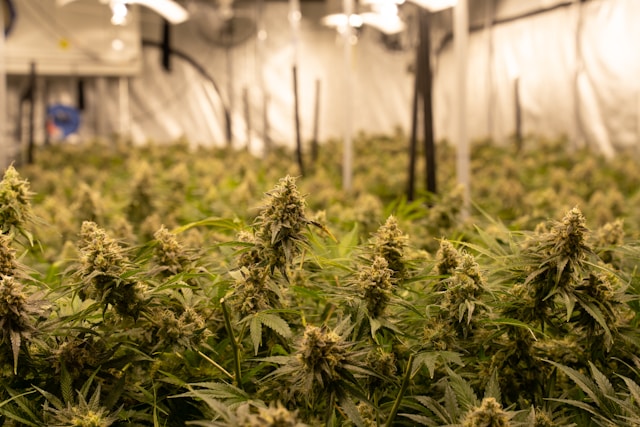
Tetrahydrocannabinolic acid (THCa) is a fascinating compound found in the raw cannabis plant. Unlike its well-known counterpart, delta-9-tetrahydrocannabinol (THC), THCa is non-psychoactive, meaning it doesn’t produce the “high” associated with cannabis. This unique feature paves the way for a variety of uses and benefits that are just beginning to be explored.
Understanding THCa
THCa is a compound intrinsic to the cannabis plant’s biochemistry. As the non-psychoactive acidic precursor to THC, THCa represents a critical phase in the cannabinoid lifecycle, embodying vast potential that extends beyond the realm of recreational cannabis use.
Found in the trichomes of fresh, undried cannabis flowers, THCa is the result of the plant’s natural biosynthetic processes, which synthesize cannabinoids from smaller molecular precursors.
Uses of THCa Flower
THCa flower, or raw cannabis, can be consumed in several non-psychoactive ways. Juicing fresh cannabis leaves and buds is a popular method, allowing consumers to incorporate THCa into their diets without experiencing intoxication. Raw cannabis can also be used in salads or smoothies, providing a versatile way to access the potential benefits of THCa.
Biosynthesis of THCa
The journey of THCa begins with the synthesis of cannabigerolic acid (CBGa), often referred to as the “mother cannabinoid” due to its role as a precursor to several major cannabinoids.
Specific enzymes in the cannabis plant convert CBGa into various cannabinoid acids, including THCa, through a process that is influenced by the plant’s genetics and environmental conditions. As the plant matures, THCa accumulates, especially in the flowering stage, where it reaches its highest concentrations.
The Science of Decarboxylation
Decarboxylation is a chemical reaction essential to unlocking the psychoactive potential of THC. This process involves the removal of a carboxyl group (-COOH) from the THCa molecule, releasing carbon dioxide (CO2).
Heat is the primary catalyst for decarboxylation, with optimal temperatures ranging between 220°F to 240°F (104°C to 116°C). While decarboxylation can naturally occur over time with exposure to ambient heat and light, applying direct heat through methods such as baking, smoking, or vaporizing accelerates the reaction, efficiently converting THCa to THC.
Implications of THCa to THC Transformation
Psychoactivity Transition: The conversion from THCa to THC is pivotal for cannabis’ psychoactive effects. THC interacts with the endocannabinoid system’s CB1 receptors, primarily in the brain, leading to the euphoric and intoxicating effects associated with cannabis use. In contrast, THCa does not exhibit this psychoactivity due to its inability to bind effectively to these receptors.
Therapeutic Potential of THCa: Despite the focus on THC for its psychoactive properties, THCa has shown promise in various therapeutic applications. Preliminary research suggests potential anti-inflammatory, neuroprotective, and anti-nausea effects, among other benefits. These properties make THCa a compelling component of cannabis for medical research and applications, offering possible treatment avenues without psychoactive effects.
Consumption and Application: The understanding of THCa and its conversion to THC is crucial for consumers and medical patients, influencing how cannabis is consumed. For those interested in the non-psychoactive benefits of THCa, consuming raw cannabis (such as in juices or salads) is a viable method. Conversely, those seeking the psychoactive effects of THC can opt for methods that involve heating, such as smoking or cooking with cannabis.
Potential Benefits of THCa
THCa, a non-psychoactive cannabinoid found abundantly in raw and unprocessed cannabis, is gaining scientific interest for its potential therapeutic benefits.
Unlike its psychoactive counterpart THC, THCa has shown promising anti-inflammatory effects in preclinical studies, making it potentially beneficial for treating autoimmune diseases and inflammatory conditions such as arthritis and lupus.
These effects may stem from THCa’s interaction with the endocannabinoid system and other cellular pathways involved in inflammation, including the inhibition of key inflammatory enzymes and cytokines.
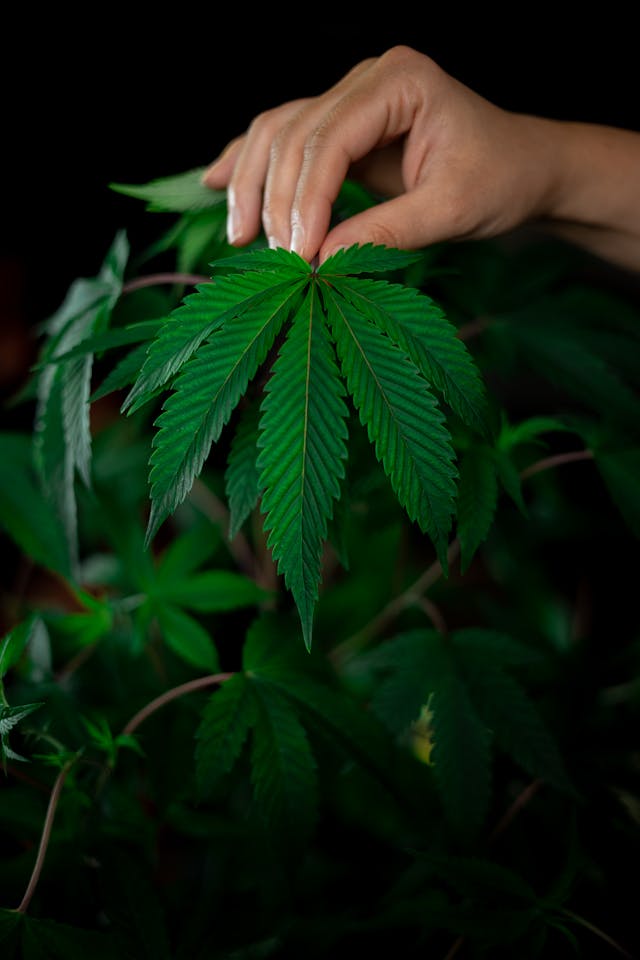
Additionally, THCa has attracted attention for its neuroprotective properties, offering potential in the fight against neurodegenerative diseases like Parkinson’s disease and Alzheimer’s disease. Research suggests that THCa can protect brain cells from damage and oxidative stress, two mechanisms at the heart of neurodegenerative conditions. This protection likely arises from THCa’s antioxidant properties and its ability to modulate neuroinflammatory pathways, indicating a promising direction for future therapies aimed at neuroprotection.
THCa also exhibits anti-proliferative traits, suggesting a role in combating cancer. Early studies indicate that THCa can inhibit the growth of certain cancer cell lines, including those of the prostate, breast, and colon, through mechanisms such as inducing apoptosis in cancer cells and inhibiting their proliferation. Although the exact pathways through which THCa achieves these effects are yet to be fully understood, its ability to target cancerous cells without harming healthy cells marks a promising area of cancer research.
However, it’s crucial to note that much of the research on THCa is still in the preliminary stages, primarily consisting of preclinical studies. To fully grasp THCa’s therapeutic potential, efficacy, and safety, the transition from laboratory and animal studies to human clinical trials is necessary.
Further investigation into optimal dosages, delivery methods, and long-term effects of THCa is essential for developing targeted therapies. One significant challenge facing THCa research is its legal status in many regions, which can limit access to high-quality research materials and funding. Additionally, the variability in cannabis strains and THCa concentrations complicates the standardization and dosing in clinical studies.
Despite these challenges, THCa holds considerable promise as a therapeutic agent, with its potential anti-inflammatory, neuroprotective, and anti-proliferative properties.
As the scientific community delves deeper into the therapeutic potential of cannabinoids like THCa, there’s hope that these compounds could provide new, effective treatments for a wide range of conditions.
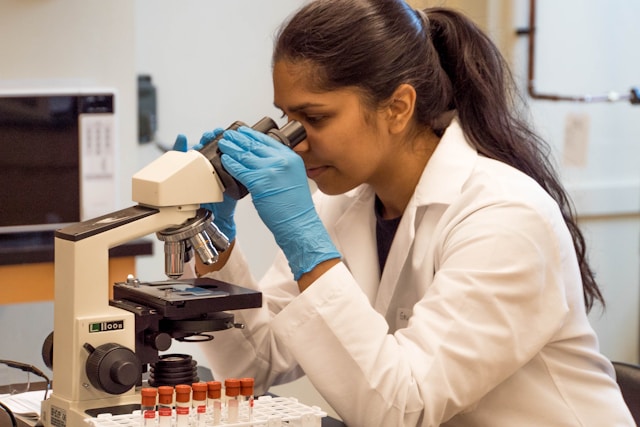
This underscores the importance of continued research and exploration in the field, highlighting the need for a more profound understanding and application of cannabis-derived compounds in medicine.
Legal Status and Availability
The legal landscape for THCa is complex, varying significantly from one region to another. In areas where cannabis is legal for medical or recreational use, THCa flower is more readily available. However, its non-psychoactive status could offer opportunities for legal access in a broader range of jurisdictions, provided there’s clarity and support from regulatory bodies.
While initial studies on THCa are promising, there’s a vast need for further research to elucidate its full therapeutic potential. The exploration of THCa could lead to new, non-intoxicating options for patients seeking relief from various ailments.
THCa flower represents a relatively untapped source of potential in the cannabis plant. Its non-psychoactive nature, combined with promising preliminary research on its benefits, makes it an intriguing subject for further study.
As the cannabis industry continues to evolve, THCa could play a significant role in expanding the plant’s applications beyond psychoactivity, offering new avenues for health and wellness.
